

Provident fundClaims
Employees' Provident Fund Organisation
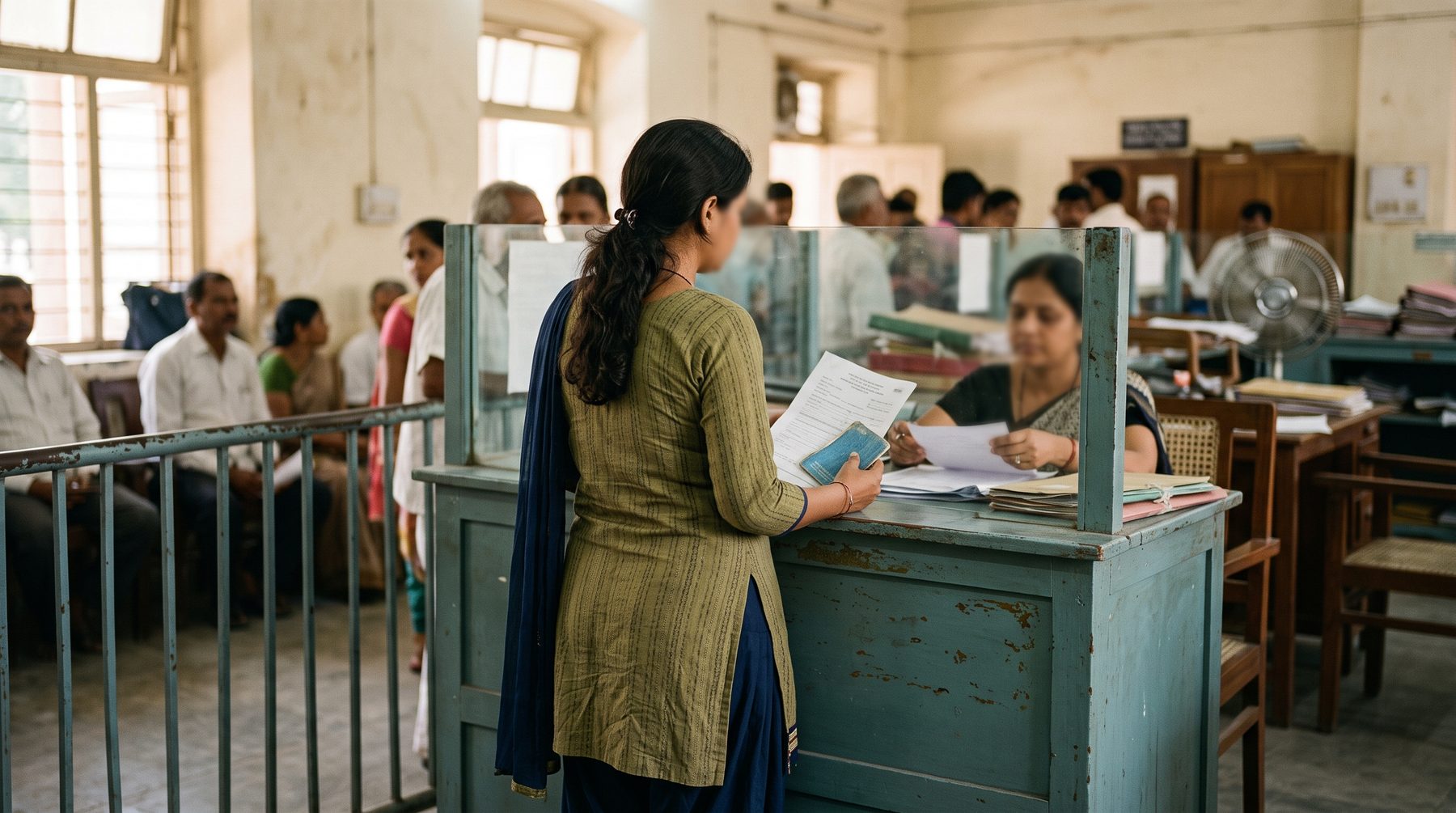
Withdrawal claims that stop moving
A settlement past the date EPFO itself gave becomes an explained issue, with the claim reference already attached.
A proactive layer over public services
Connect once. We watch the rest.
CPGrams reads the services you connect, notices when a claim, payment or application stops moving, explains what it found, and prepares the grievance from verified records — for you to approve, edit or ignore.
Interactive prototype. Every case, department and officer is fictional and nothing reaches a real government system. Photography is illustrative and computer-generated for this prototype. No real person, office or case is depicted.
that the citizen should have to chase.
The grievance system underneath is a full CPGRAMS-style lifecycle — registration, routing, clarification, SLA, appeal and supervisory review. What changed is who notices the problem first.
7
services you can connect
Aadhaar, DigiLocker, EPFO, pension, tax, transport and passport — joined once each.
20
days, then we ask why
Every record is measured against the date the office itself published, not against one we invented.
1,842
citizens in one pattern
Provident fund withdrawals held in processing — visible as a cluster, not as 1,842 separate complaints.
0
grievances sent without you
Detection prepares. Only a person submits. That line does not move.
Six steps, and you drive four of them.
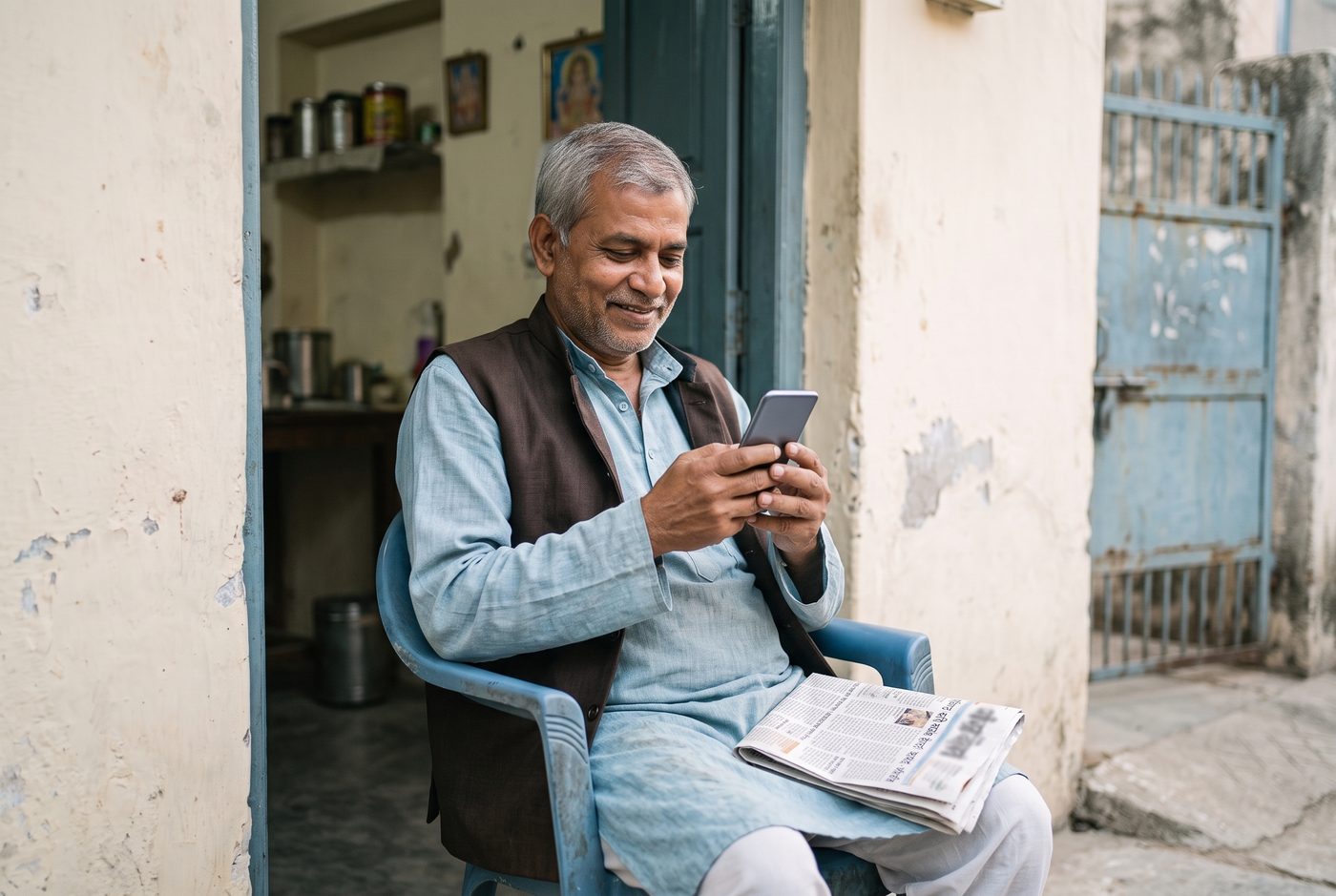
Seven services, joined one at a time.
Each connection is simulated for the demo, consented to explicitly, and revocable from the citizen's account at any moment.
Provident fundClaims
Employees' Provident Fund Organisation
A settlement past the date EPFO itself gave becomes an explained issue, with the claim reference already attached.
PensionPayments
Department of Pension & Pensioners' Welfare
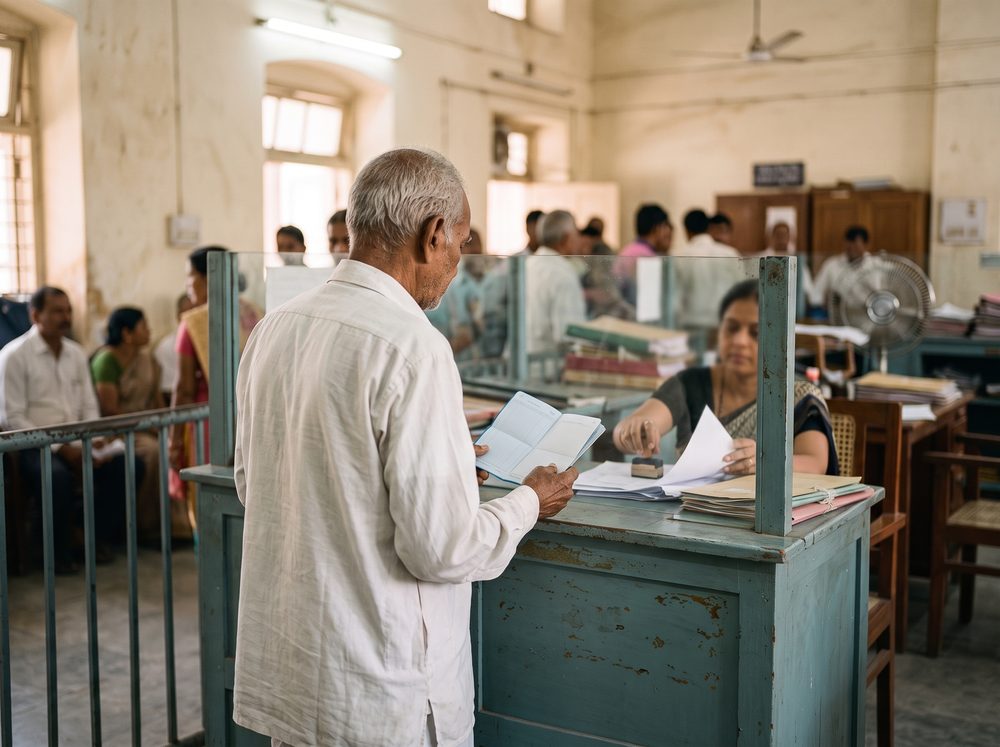
A payment that has come every month and then does not is a pattern worth catching on day one, not day ninety.
DocumentsCertificates
DigiLocker
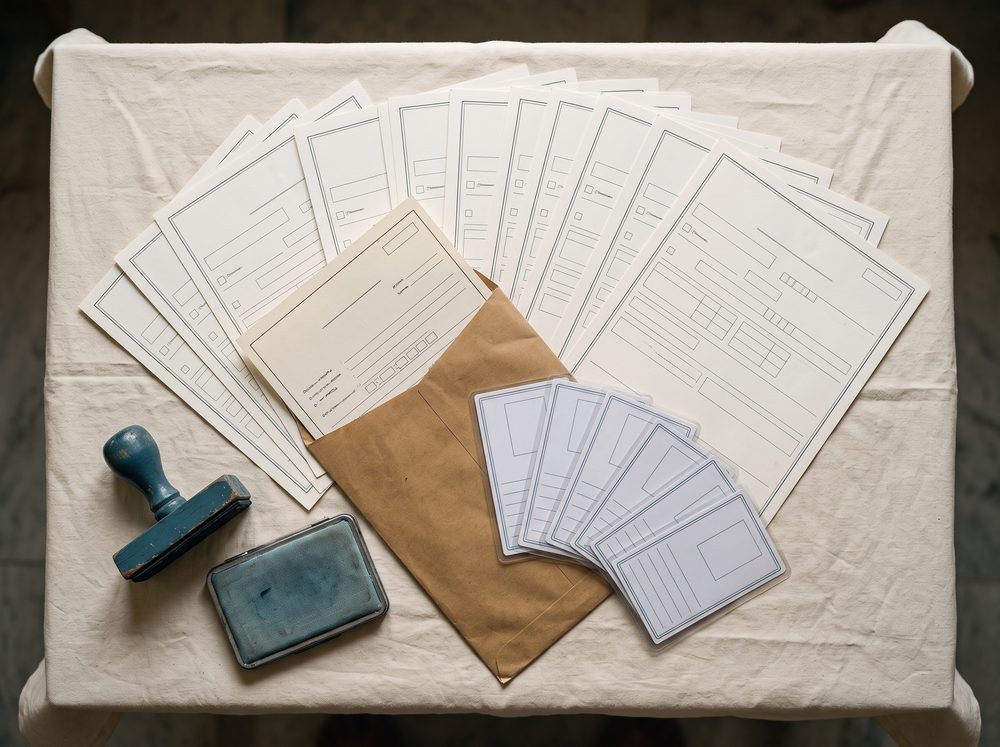
Documents come in once, so no form asks you to upload the same certificate a fourth time.
Authentication, SMS, payments and government integrations are deliberately absent. Uploads are recorded by name and size only — no file leaves your browser. Photography is illustrative and computer-generated for this prototype. No real person, office or case is depicted.